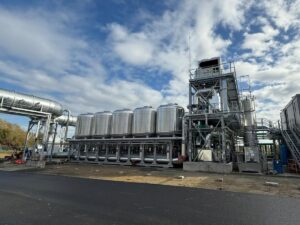
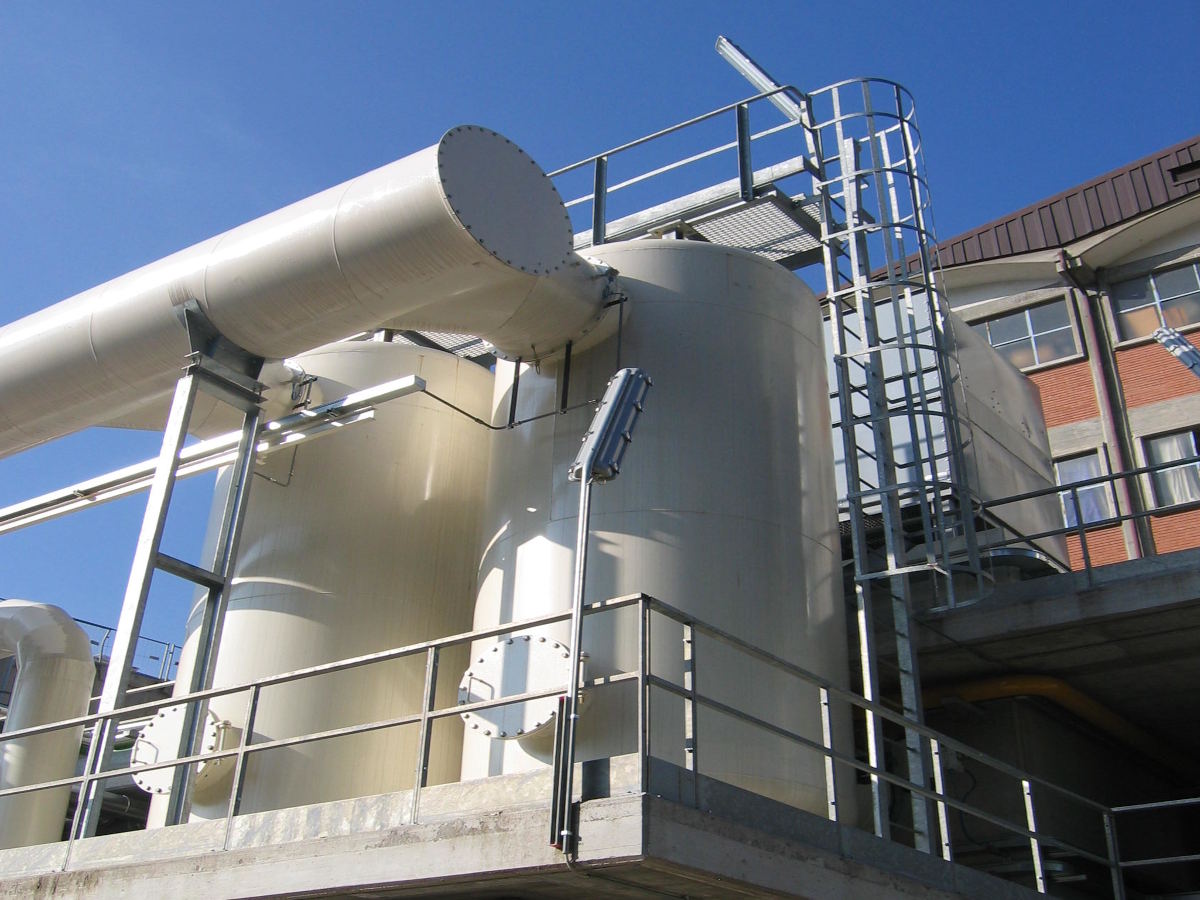
Activated carbon filters use the properties of this material to reduce odours, VOC and particular substances in applications with limited flow rate and low concentrations.
Industrial activated carbon filters are widely used to reduce odours, VOCs and specific pollutants in applications with limited flow rates and low concentrations. These systems exploit the natural adsorption capacity of activated carbon to capture contaminants and improve air quality in a variety of industrial environments.
Features and avantages of activated carbon air filter
Activated carbon filters offer a practical and efficient solution for treating small airflows and low concentrations of pollutants, including substances that are difficult to remove such as silicates. Once saturated, activated carbon must be either regenerated or replaced depending on the plant configuration.
Key advantages include:
- Electrical switchgear with PLC and remote monitoring
- Integrated measurement system for residual adsorption capacity
- Fully airtight structure, also available in AISI 304 and 316 stainless steel
- Easy operation and user-friendly management
- Low maintenance requirements
Activated carbon filtration process – Operating principle
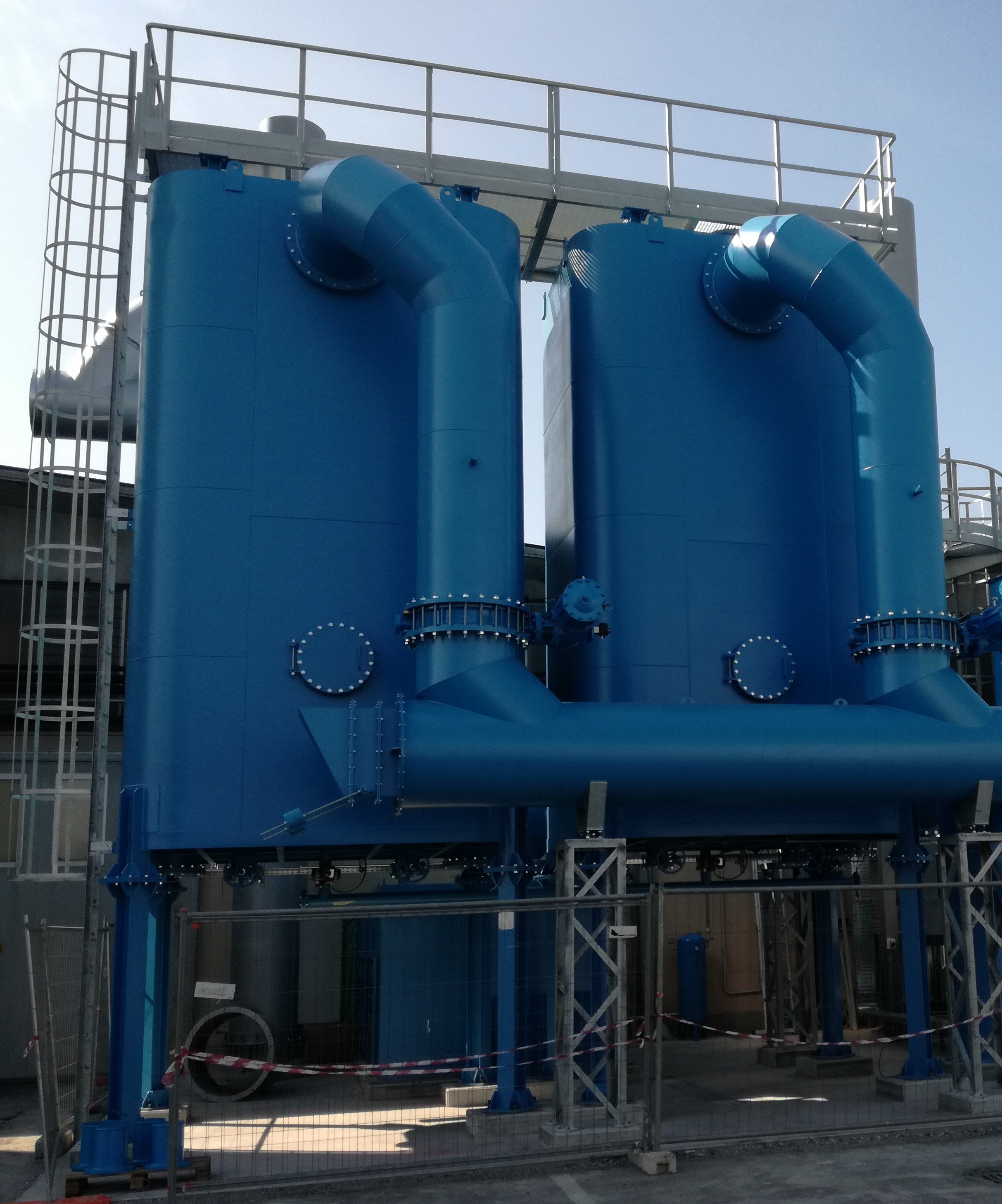
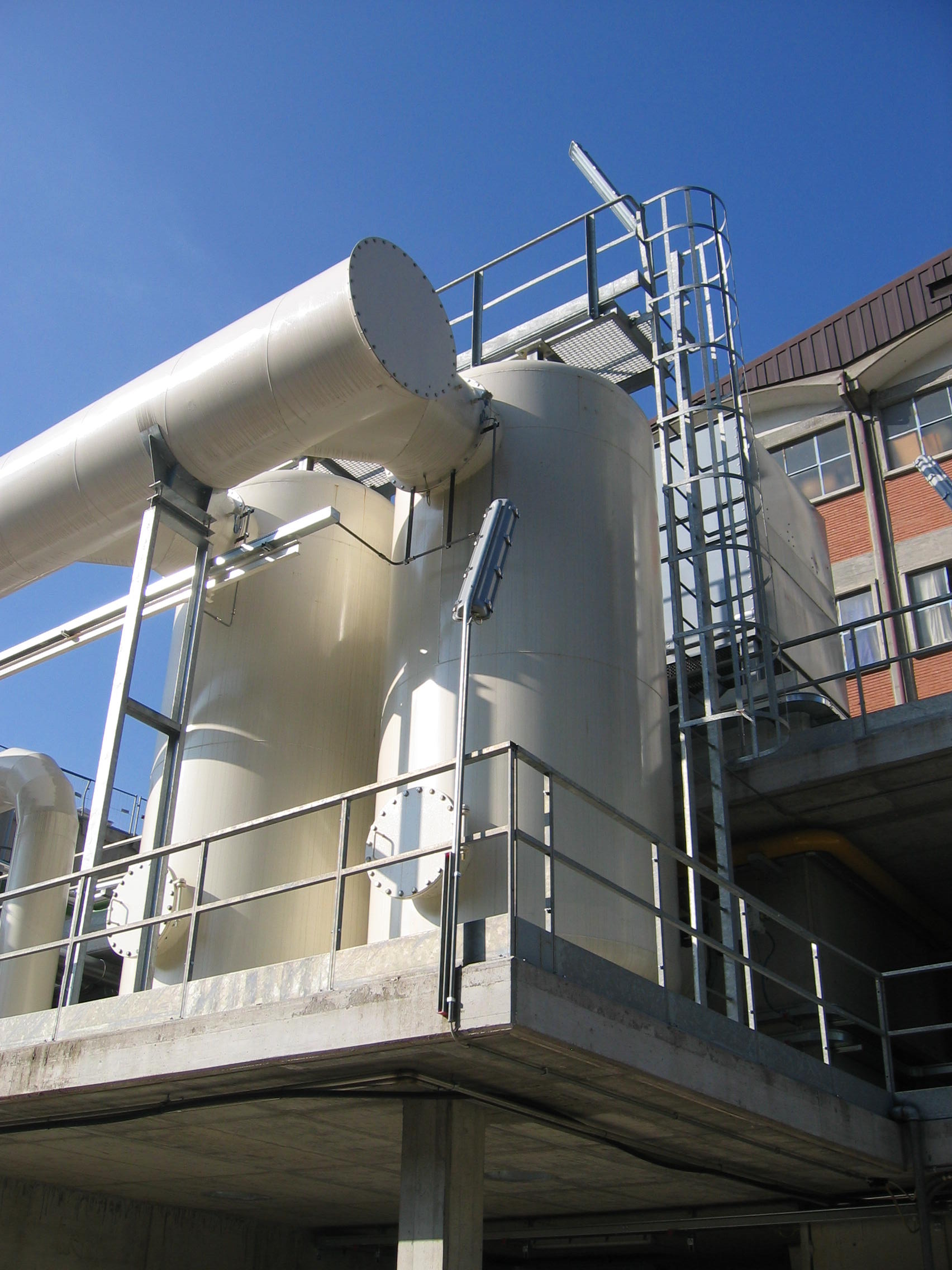
The effluent is drawn and conveyed inside a tank fitted with a baffle, whether horizontal or vertical, where the activated carbon is set, obliging the effluent to pass through it therefore avoiding preferential passages which would alter the abatement of the pollutant and jeopardise its efficiency. The activated carbon has a porous structure, a large specific area and high adsorbent capacity. This allows it also to be used as a filter to treat gaseous emissions as the pollutants are captured in the pores of the carbon thus purifying the effluent. Looking at them through a microscope, the activated carbons are composed of a series of burrows which become progressively smaller so as to “trap” the pollutants in the air. This structure allows them to have a very high specific surface, even up to 2500 m2/g, technically divided into macropores (>500 Angstrom), mesopores (20-500 Angstrom) and micropores (0-20 Angstrom). When the pollutants penetrate deep down, they are not able to escape except in particular conditions, for example through the steam or inert gas regeneration process, thus purifying the effluent. This characteristic implies that, depending on the type of pollution control plant, these systems can be regenerated within the same plant by using steam or inert gas (solid recovery plants) or not regenerated on site and therefore when the saturation limit is reached, the carbon load must be replaced with a new one.
Typical applications and target sectors
Industrial activated carbon filters are versatile solutions ideal for low pollutant loads and reduced airflows across various sectors, including:
- Chemical industry
- Pharmaceutical manufacturing
- Waste treatment plants
- Coating and painting operations
- Adhesive production
Plant engineering solutions
- Turnkey supply
- Flexibility in choosing the testing system of the residual adsorption capacity
- Customised design in case of space restrictions.
- Also applicable with non-organic pollutants, odours, ammonia or hydrogen sulphide.
- Inertisation and firefighting measures for application with particularly hazardous pollutants such as MEK